How I Keep Finding, Enjoying, and Incorporating New Music
A look at how we start to lose our musical curiosity as we get older - and the easy practices that can help us rediscover it.
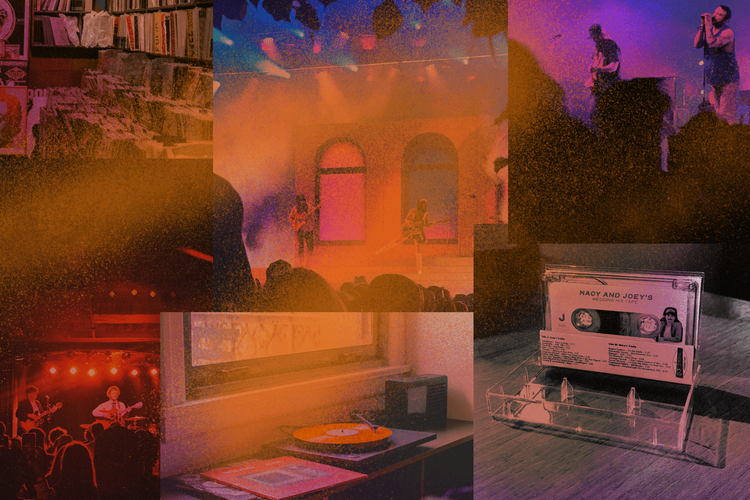
When I was a kid there was a local radio station in my home state of New Hampshire called something like ‘Oldies 99.1.’ This wholly standard radio station was the omnipresent soundtrack to the spaces in my childhood where I didn’t have a say in what music was played. Car rides, grocery stores, doctor’s offices, school offices, holiday parties; Oldies 99.1 was the ever-present, outdated wallpaper that adult society had chosen to adorn the rooms of my adolescent life.
There was nothing unique, or to be honest, even offensive, about Oldies 99.1. You’re likely remembering your own local flavor of this station, as there were clones all over the country.
If you’re not able to conjure it - let me help.
This was the type of radio station that overplayed the living hell out of "American Pie" by Don McLean and never spun anything else released after 1981 in those brief, happy moments when Don wasn’t heard singing ‘Drove my Chevy to the levee, but the levee was dry.’
In many ways, I'm indebted to this station as it was the first time I remember hearing many songs and artists I deeply treasure to this day. However, despite enjoying a decent chunk of the music played on 99.1, it confused the living daylights out of me.
It confused me because at a time when 99.1 and its oldies hits seemed pervasive in what I perceived as the ‘adult world,’ I was busy experiencing the deep thrill of discovering exciting new music and artists - reveling in the excitement of always having a new ‘favorite song.’
How could adults be so happy with Oldies 99.1 when there were so many intoxicating new things happening in contemporary music?
I couldn't understand why this quest for 'new' music wasn't as important to the adults in my life as it was to me.
In hindsight, of course, if those same adults had liked all the music I was downloading from Limewire, burning onto CD mixes, and loading onto my first-gen iPod mini, it would definitely have taken the fun out of it.
I did my best to recreate my 'Recently Played' playlist from my old iPod Mini, which was unfortunately lost to time.
But to many in adolescence, new music seems like the most important thing in life - the music I listened to built and shaped my view of myself, connected me to my friends, and helped me navigate new emotions and experiences. It was a magical substance that breathed life into and around my everyday—coloring it and helping to give it depth.
This parallel understanding - that one: there was amazing new and undiscovered music out there, and two: that it didn’t seem as important to adults to experience it - made me realize, with the help of Oldies 99.1, that at some point in adulthood, you stop adding new songs, albums, and artists to your internal discography at the same rate. Upon this realization, and filled with the naivety of youth, I vowed that I would be different - the exception to this newly discovered, albeit poorly defined, universal rule.
Now, years later as an adult, I get it.
Less time and brain space can be allocated to following musical trends and artists' releases. There are things to do - damn it!
Also, when we listen to music from our past, we’re really trying to recapture that magic and feeling we had listening to these songs back then - because those were our songs that breathed life into and around our everyday - coloring it and giving it depth during the heady, exciting, and confusing days of our youth.
However, a part of me is still determined to buck this trend, even in my own small way.
I believe there is real benefit in doing your best to figure out how to resist this slide into the proverbial oldies rock radio and continue to fill your mental vinyl collection with new inputs beyond young adulthood.
Below, I will go over what external forces drive this behavior pattern, why continuing to find and engage with new music is beneficial, and - because technology has made it easier than ever - several easy ways to continue finding new music you like in the future.
So, even if you’re not worried about losing the drive to finding and experience new music, I'll also discuss some tips for getting out of a musical funk or build better processes for finding cool new music with less effort.
Why Does This Happen?
Understanding the ‘why’ here, at least at some level, doesn’t require reading large psychological surveys or reviews of research around how brain chemistry changes. But we’ll touch on both and how they play a role, to innately understand why it’s harder to find and engage with new music and artists as you move out of young adulthood.
At the base of this change - I propose - is that people on average simply spend less passive time around friends in environments with music.
As you get older, you inherit more responsibilities and move further away from the platonic ideal of new music absorption: spending large amount of unstructured time hanging out with friends who you want to want to impress and/or connect with through shared musical tastes.
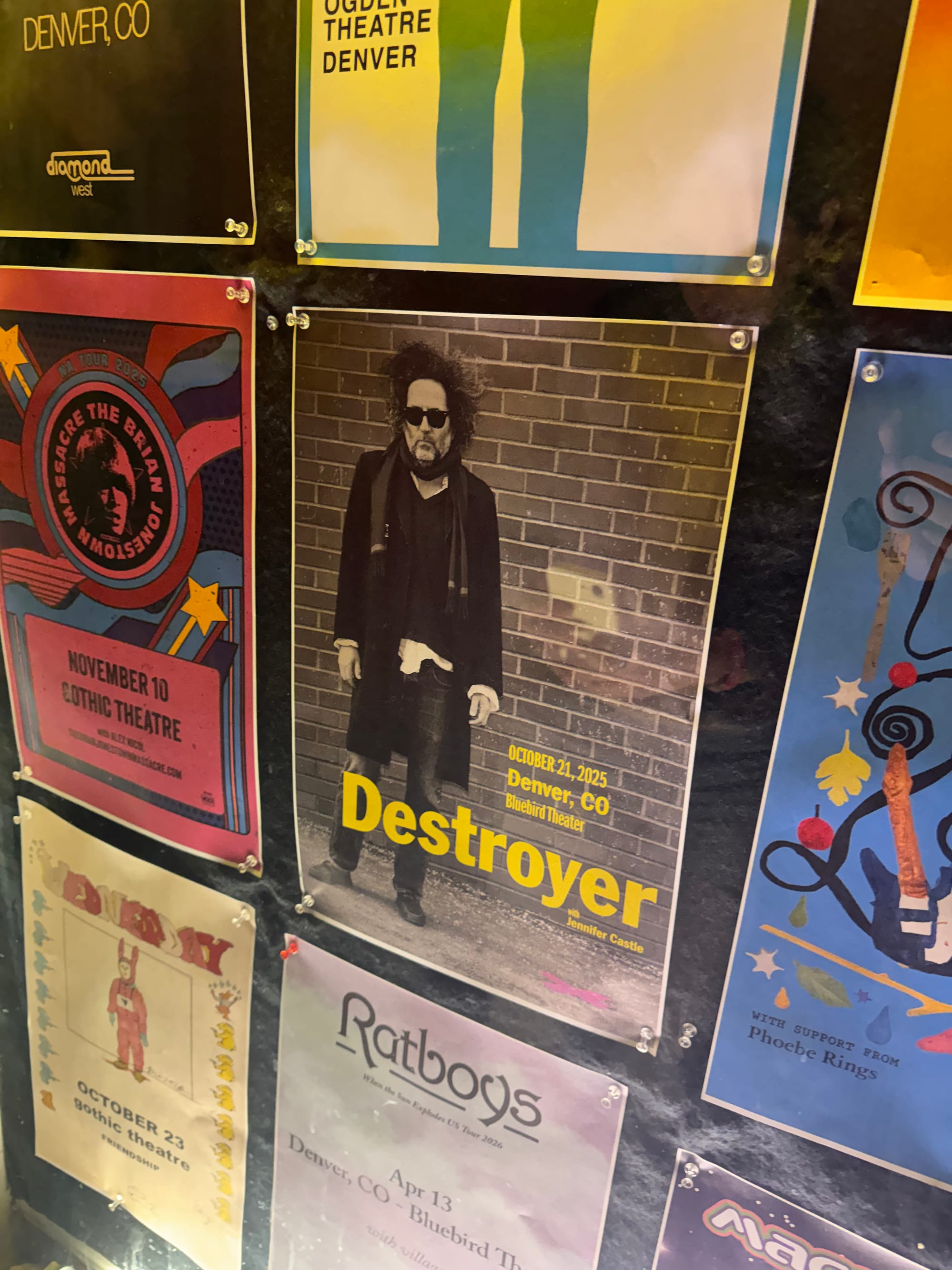
As life moves past basement hangs, dorm living, shared apartments, and the like, those opportunities to passively vacuum up music can also begin to dwindle.
Worse, many people don’t actively understand that this was their main way of finding new music and artists, so they do not replace this avenue for finding new music with new patterns of behavior for more actively acquiring new musical inputs.
This goes hand in hand with other lifestyle and priority changes that make it harder for us to set aside the time and mental energy to find and engage with new music as we age.
More responsibilities at work, with family, whatever come to quickly occupy the space that was assigned to searching for the novel experience of new music.
That makes sense, if you’ve spent all day stressed at work and then the evening wrangling a toddler, what sounds more like a cold glass of water on a warm day?
Your favorite album from that band you loved in college or twenty minutes filtering through your Discover Playlist on Spotify to maybe find one song you like from an artist you’ve never heard of before?
 Joey Plunkett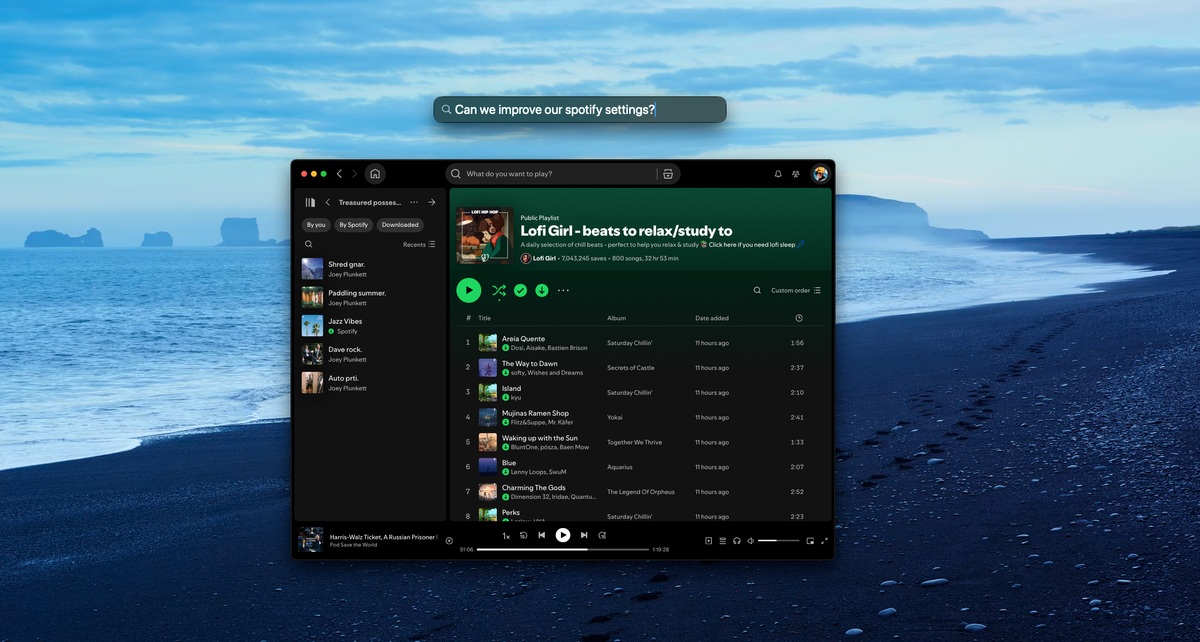
Obviously, these lifestyle changes don’t mean that people stop enjoying music as a medium, but I think this process has a way of passively sneaking up on people as they move out of young adulthood.
Obviously no music lover sets out to stop experiencing new music they love, but one day your best way of finding new music is greatly diminished because you spend less time hanging with friends, and you’re too busy and mentally strained to know that you should replace it with new behaviors for continuing to engage with music.
The final blow here is that your brain is also literally changing in ways that can continue to reinforce this behavior pattern. These real neurological changes happen as you age that work against you finding, experiencing, and loving new music.
Some studies have shown that our brains start to favor familiar music as we age, due to changes in how we process novelty and reward (Phys.org). Exploring new music doesn't elicit the same dopamine rush as it once did because our pleasure centers are more stimulated by familiar tunes. They’re a familiar drug with the memory of a pure hit, whereas new music begins to feel like a cheap imitation of the real thing.

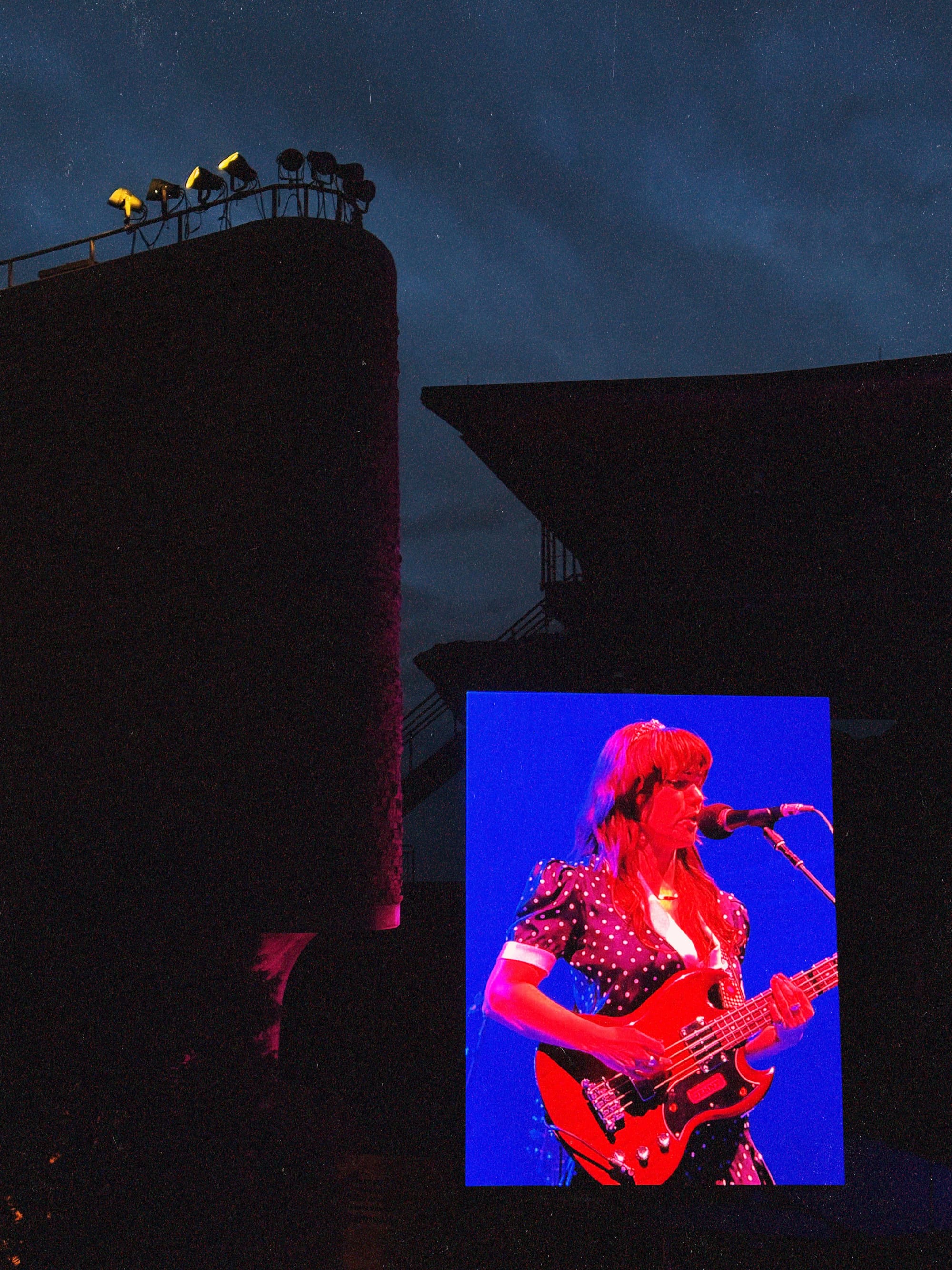




The study explains it another way, you’ve filled your bucket from the new music well enough that the novelty and reward center know the input and can dull the experience overall.
A term I ran across in research for this article a lot was the concept of 'open-earedness’ - which has been used as a metric to determine how open a person is to engaging with new music. It measures how open we are to positively reacting to new music and, not surprisingly, several studies have shown that it’s common for ears to ‘close’ as we age.
There's comfort in the known.
The music of our formative years is wrapped in nostalgia, making new songs feel less emotionally engaging, taking less effort to slip back into.
If you only have 30 minutes between meetings or picking up the kids to get in a workout, it’s easier to throw on your 2000’s Rap Hits playlist rather than trying to see if you might like some new workout playlist.
However, these are old and familiar hits of dopamine that don’t bring you out of your comfort zone, teach you new things about the world, people, society, culture, etc., and they’re less likely to help you train brain patterns that associate new and novel with positive emotions - something everyone should want to maintain as they move through life.
The Benefits of Staying Musically Adventurous
If you grew up loving finding and engaging with new music, I believe you should absolutely work to continue finding new songs, albums, and artists because the benefits of finding and engaging with new music remain the same as when you were younger.
New music can still elicit dopamine responses from the brain, introduce you to new inputs that help you navigate what’s happening in your world, and bring you community and things to talk about with friends. It helps to keep your mental capacity for new and new strong and vibrant and allows you to practice feeling good emotions associated with the novel and the yet unknown.
Also, the de-prioritization of searching out new experiences via music is at least partly analogous to de-prioritizing finding novel new experiences everywhere.
The brain patterns that drive this search should continue to be consciously worked on, honed, and strengthened because they’re liable to atrophy as much as muscle as you age.
Continuing this search allows you to expand social horizons that tend to shrink for many adults as they age. Men particularly have smaller social circles as they age, music is a medium for connection with other people, and going to concerts allows you to connect with other people through a shared passion for an artist.
It also just so happens that music is one of the very best things on this planet. To leave all of what could be discovered untouched from here until we exit seems like a waste.
How to Discover New Music as a Busy Adult
During our teenage and early adult years, exposure to new music often happens passively, absorbed from the environments we frequent. It's a social experience, deeply intertwined with wanting to connect over and impress with our musical tastes. As we age, these spontaneous musical discovery opportunities, for many of us, fade, and without that input - and no conscious and considered action to replace it - a major driver for finding new music is wiped off the board.
So, how do we fix this issue for ourselves? The first bit of advice we've already discussed: recognizing that you're not finding new music at the same rate as before is a huge first step. Secondly, practice wanting to like new music when you experience it. This takes effort because it's easy not to be in the mood to be open to new experiences. But, like any muscle, it gets easier with practice. It's also the most important part of any of the steps below, as it's crucial for continuing to seek new music - without it, the steps below mean nothing. Spotify and music streaming are some of the best things to happen, as they make our potential touchpoints with new music so much wider. Before streaming, staying in 'finding new music shape' was much more difficult. That's partly why I think Oldies 99.1 was so popular. Now, all of the music in the world - mostly - is at your fingertips. However, this can lead to paralysis and potential decision fatigue. Luckily, there are ways around this.
The first practical advice I have is to download an app like Shazam and practice 'capturing' music that you enjoy and hear out in the world. This seems simple, but when you actually make it a practice, it quickly helps you find new artists and songs you like. The organic nature of stumbling upon these little gems yourself adds a boost to what the song means to you - you've found it and captured it out in the wild.
Shazam and Spotify have a very cool feature that, once enabled, creates a playlist on your Spotify account that automatically adds all of your Shazamed songs. I've found so many good songs and artists this way in the past two years. This is the bridge that helps me go from liking a song I hear at a coffee shop to Shazaming it to actually listening to it and enjoying it on my own time.
I've been doing this for a few years now, at some point Shazam moved my playlist and archived this one.
Remember the Pokemon Go craze from half a decade back? When everyone was running around capturing invisible Pokemon in grocery stores and on the side of the road? I use Shazam to do the same thing with new songs that I encounter and enjoy. It’s up to you which one you feel is nerdier.
This is the current Shazam Playlist I'm working on.
My next suggestion is to really dial in your Spotify account. Make your Discovery Playlist actually useful by using the 'Exclude from Taste Profile' feature to remove artists and playlists you listen to frequently but don't want muddying your recommendations. For example, I listen to a ton of lo-fi and electronic music while working, but it's not something I want to 'Discover' more of on Spotify.
Next, dive into the artists you already love to uncover more of what they have to say. There's a ton to be discovered by being a bit of a detective about your favorite bands. Listen to full albums, live recordings, and other releases you've never taken the time to experience before. Most artists on Spotify have a curated playlist of their top 20-30 songs in their artist profile.
I also follow a lot of music journalism, which always lifts up fun new music and re-releases. Publications like Pitchfork, Stereogum, and NME can be goldmines for getting recommendations.
Additionally, YouTube channels like The Needle Drop are easy locations for finding new music and engaging with new genres.
A quick way to see the best stuff from these publications is to check out their year-end lists ranking their favorite singles and albums. It's a succinct way to get the best recs quickly and I always find a few new favorites quickly while looking at these.
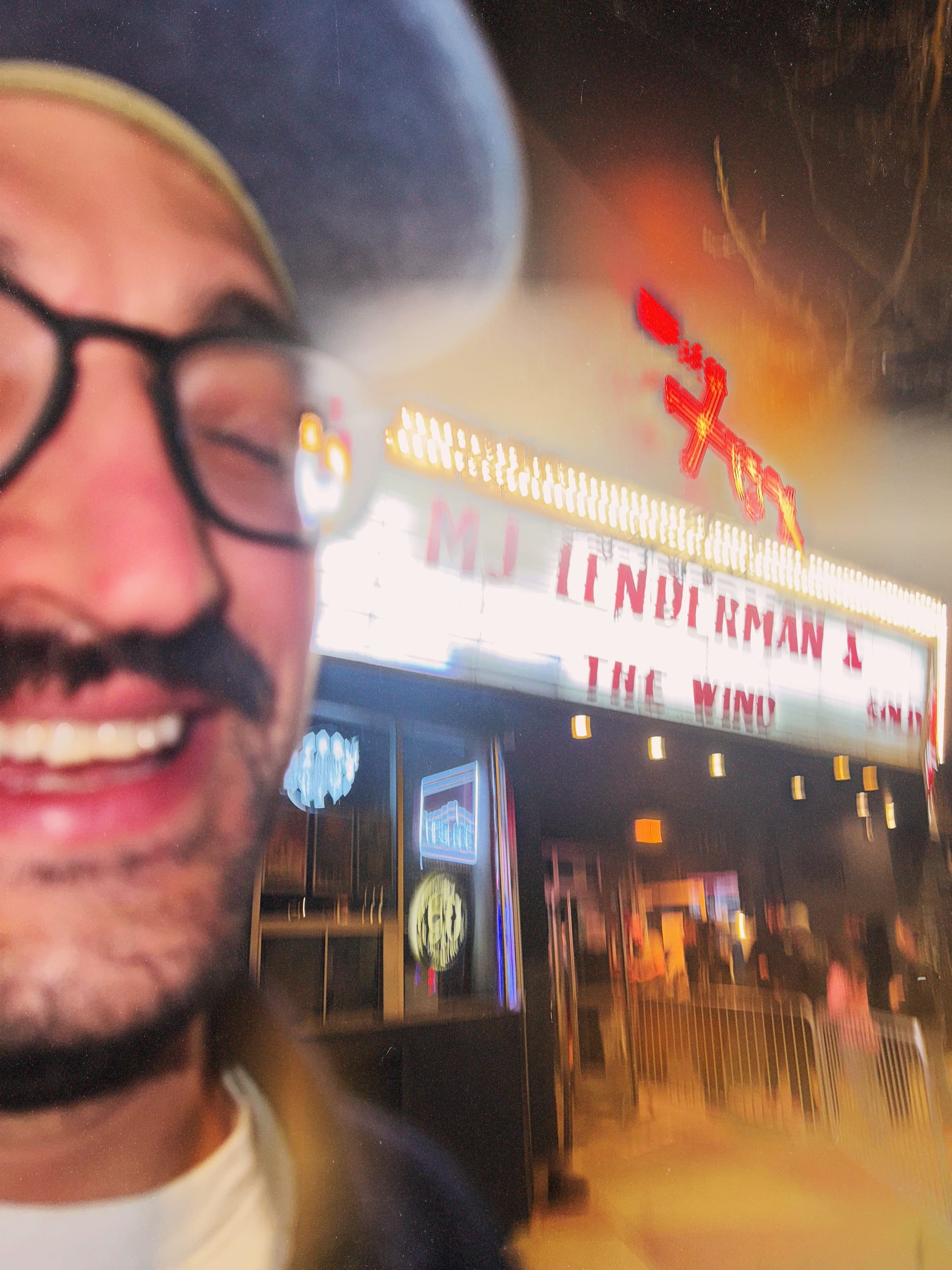
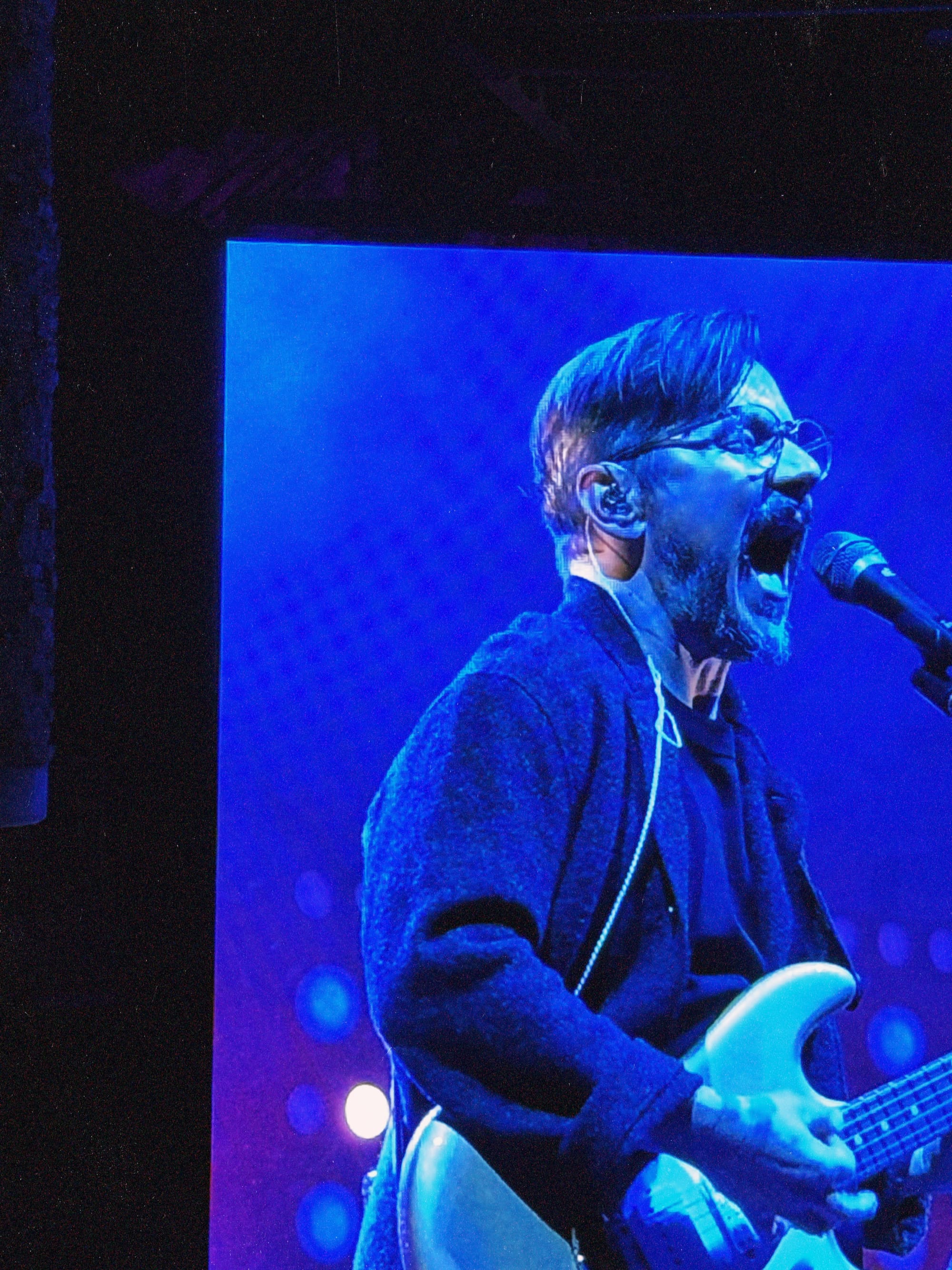
Next if you have a favorite venue in town or a cool record store check out their event calendars and engage locally with artists coming through your area. Live music gives at least 30% boost (my estimate, not scientific - super anecdotal) to your enjoyment of a song or artist. This means you're giving yourself the best chance of enjoying something new if you see it in person.
And finally, here's the personal plug! You can follow me - I'll be sharing music on this blog and my Instagram every week with a song rec every Tuesday. You can also see my curated playlists here --> [Cool collection of hosted playlists to be built soon]. I'm still building this out so don't worry if you don't see anything here yet - it's coming (written on Dec 10th, 2025).
So in conclusion, by implementing these… I guess we’ll call them strategies? …you can keep your musical horizons expanding, no matter your age or how busy life gets.
And the goal isn't to force yourself to like every new song.
It's just about maintaining that curiosity and openness that made music discovery exciting in the first place, because the world of music to too exciting to default to simply turning on and leaving the radio set to Oldies 99.1.
Editor’s note: Joey’s editor here. Before you take this as the definitive guide to staying musically curious through every stage of life, note that Joey is still in the no-kids, occasionally-evn-goes-to-concerts-on-weeknights phase. He means every word, but we’ll both be very interested to see what this looks like after a couple of car seats and a youth soccer schedule.
Member discussion